
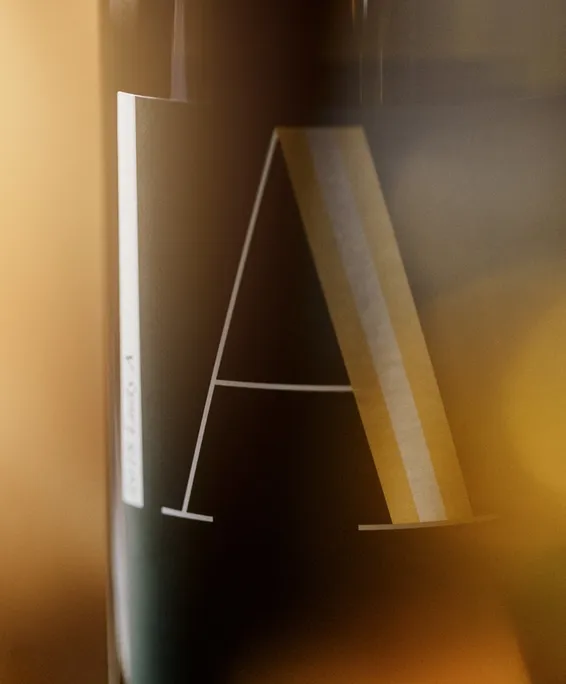
Lady A returns
The new vintage of Lady A is looking exceptional. We’re excited to release this distinctive wine again, with the new vintage offering another expression of this unique cool-climate wine.
Terroir isn't an absolute, it changes. We embrace that, and our winemaking reflects how fruit ripens differently every vintage.
Our philosophy is simple: let the fruit do the talking and don’t be afraid to wait. Sometimes the best thing you can do is take your time.
Domaine A was founded on a grand Cabernet plan: produce big Bordeaux-inspired reds at the end of the earth. Honour old world ideals in the new world. There were plenty of naysayers. They were politely ignored. These days, our wine garners acclaim as some of the country’s finest, even rivalling the best of Bordeaux.
Our approach to winemaking is unyielding. Without compromise. If the fruit isn’t perfect, the wine doesn’t get made. When other vineyards pick fruit early out of fear of bad weather, we wait, accepting the risk. In this age of instant gratification, we only release wines at their best. And that can take years. Our dedication runs full circle. Vines are hand-plucked, hand-tied and hand-picked during the cool days of autumn. Wines are pressed down and our barrels are racked through the year by hand. From bud burst to bottles leaving the winery, precision and care shape our process.

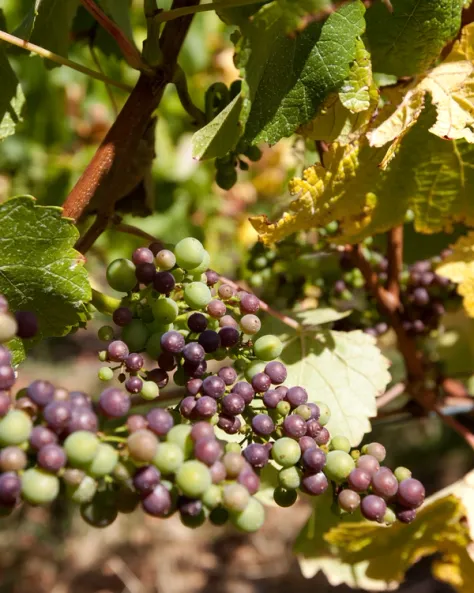
42°40’44” S
147°24’52” E
We’re located in the Coal River Valley region in southern Tasmania. Our first acre was planted in 1973 by the pioneering George and Priscilla Park, but it wasn’t until Peter and Ruth Althaus acquired Stoney Vineyard in 1989 that Domaine A came into its own.
Today, the winery has grown considerably, now taking up around 11 hectares. While Cabernet Sauvignon is the star—a reminder of both our history and our continuing passion for emulating the Bordeaux region in France—there are also Cabernet franc, Merlot, Petit Verdot, Sauvignon blanc, and Pinot noir.
With clean, pure water, mineral-rich soils, long summer days, plenty of rain and lots of hills, the Coal Valley can lay claim to being the Antipodean equivalent to the great wineries in France and Germany.
The new vintage of Lady A is looking exceptional. We’re excited to release this distinctive wine again, with the new vintage offering another expression of this unique cool-climate wine.


Across the vineyard, vines are being cut back from vintage growth, pruned to prepare for the new season and carefully tied to wires to guide their growth.


In B Block, we’ve been hard at work replacing ageing wooden posts with new metal poles. These new additions will strengthen the vineyard infrastructure and give the vines the support they need for future vintages.

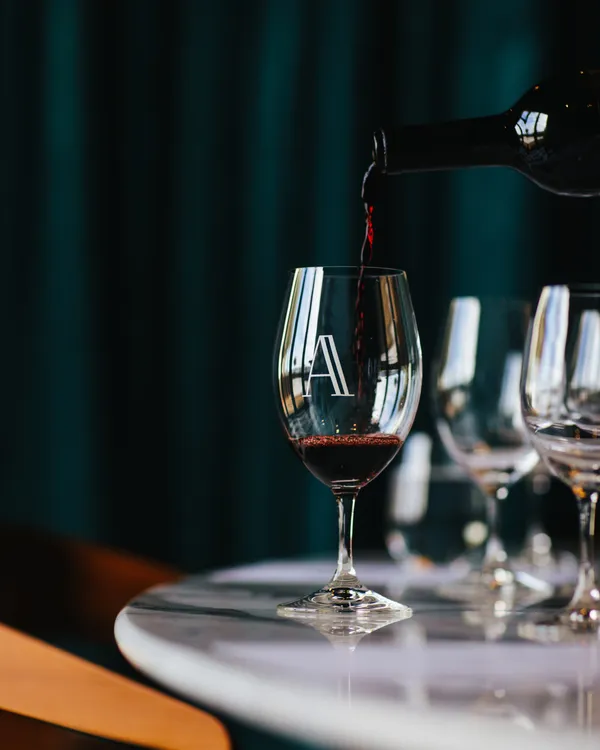
We’ve been working behind the scenes to create a new digital home for the estate, bringing together our wines, vineyards, stories and cellar door experience.

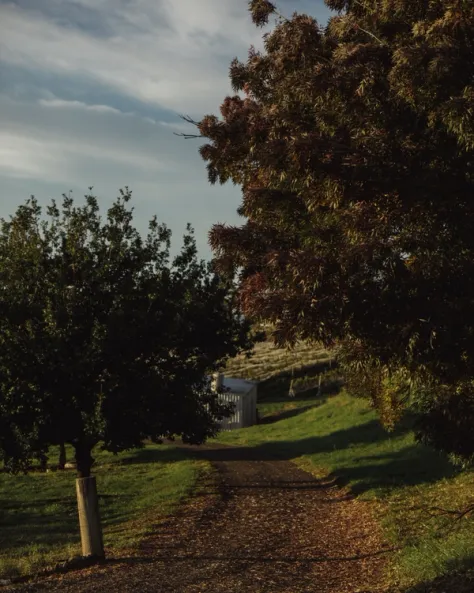
At Stoney Vineyard, the signs of a new season are beginning to emerge. After a mild winter, the first wildflowers are appearing across the Coal River Valley, making it a particularly beautiful time to visit.
Winemaker
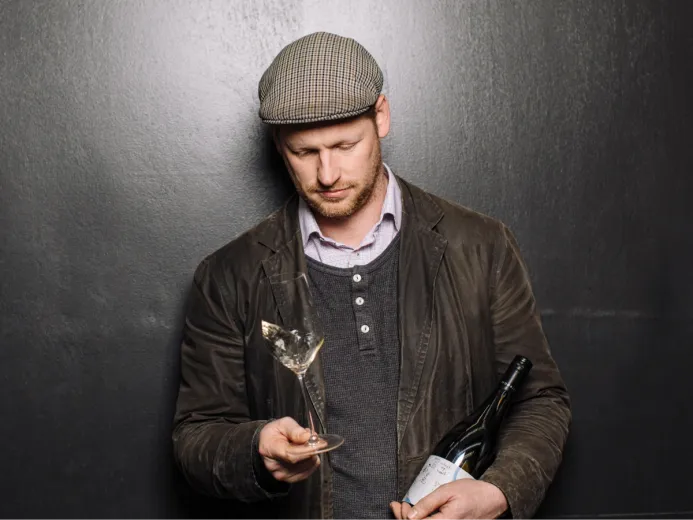
This is Conor van der Reest, winemaker at Domaine A and Moorilla. A Canadian by birth and a Tasmanian by adoption, Conor has earned his stripes in some of the world’s great wine regions, working across the old and new worlds from Ontario’s Niagara Peninsula to Languedoc and Champagne in France, and throughout Australia’s prime wine country. He arrived in Tasmania with a wealth of experience and a reputation for making wines with character, structure and a strong sense of place.
In 2018, when Domaine A founders Peter and Ruth Althaus retired, they entrusted the historic Stoney Vineyard in the Coal River Valley to Mona owner David Walsh and Conor. It was an important moment for an estate with a long and uncompromising winemaking history. Conor continues the estate’s focus on patient, meticulous winemaking, allowing the exceptional cool-climate fruit of Stoney Vineyard to develop slowly and express its full character.

Vineyard Manager
Peter keeps vineyard operations running smoothly. He’s responsible for developing and implementing annual vineyard management plans—which includes everything from pruning the vines to scheduling the harvest. Peter works closely with Conor to make sure every piece of fruit is the best it can be.
Wholesale Manager
Beppe’s the Wholesale Manager for Moorilla and Domaine A. His role tasks him with getting Domaine A and Moorilla wines onto the palates of as many people as possible. Before he joined us in 2021, he operated a vintage car and wine touring business across Tuscany and worked as a Professor of Gastronomy in Florence.
Assistant Winemaker
Josh is Assistant Winemaker at Domaine A and Moorilla. He started his career at Tim Smith Wines in the Barossa, before stints at Tasmanian Vintners and Thomas Wines in the Hunter Valley. You’ll find him playing an integral role across all facets of winemaking, from crushing and pressing the fruit to checking lab work, ensuring each vintage is progressing well.
Retail Sales & Operations Manager
After getting her start on Victoria’s Mornington Peninsula, Nicola fell in love with Tasmania following a trip here in 2022. She now manages the Moorilla and Domaine A cellar doors, as well as the online store and our wine clubs. She also oversees stock and allocations, handles admin for export orders, helps prepare for any new releases and assists with any other things Conor may need.
The 2026 Southern Tasmania vintage was characterised as a late, slow-ripening season that produced exceptional fruit quality. A cooler-than-usual spring and persistent cloud cover delayed harvest by up to five weeks. This extended maturation period resulted in pristine fruit with outstanding flavour concentration and natural acidity balance, particularly in Pinot noir and Chardonnay. Harvesting for table wines extended into late May.


Vintage 2025 was a celebratory year, achieving a combination of exceptional quality and record-breaking yields. Seasonal conditions were consistent and slightly warmer than average, with moderated temperatures due to the island's maritime climate.
The vintage was earlier, condensed, and larger, which pressured winery capacity. Despite some localised issues like frost and hail, producer management ensured high quality.

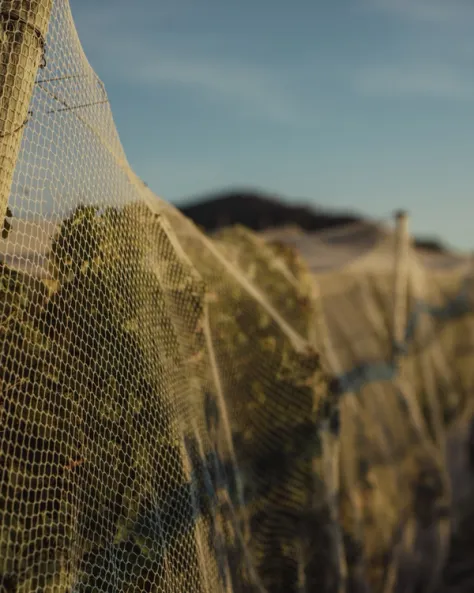
The 2024 vintage was welcomed for achieving a "trifecta" of excellent quality, record value and a return to strong yields. Seasonal conditions were variable but generally dry, with above-average temperatures in the north and cooler temperatures in the south.
Consistently cool overnight temperatures were a notable feature, aiding flavour development and acid balance, which resulted in an earlier and condensed vintage pointing toward a very promising vintage for both red and white wines.

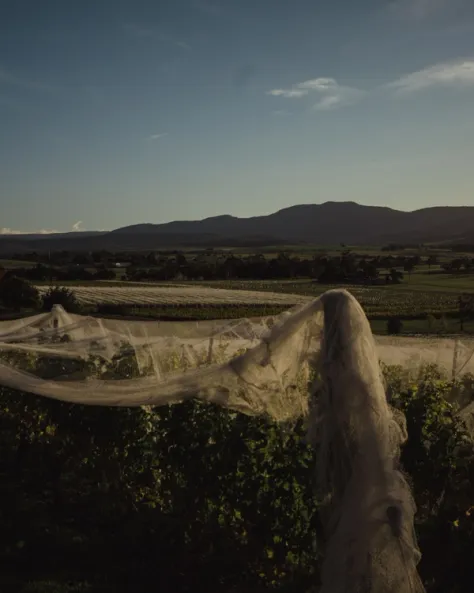
Despite a challenging season defined by wet, cool conditions that delayed ripening, the 2023 vintage yielded modest volumes of excellent quality. Overall production was similar to 2022, but with low yields partially counterbalanced by new vineyards entering production.
Exceptional producer vigilance ensured the harvested wine grapes achieved excellent quality.

A vintage that delivered excellent quality across all styles. Cooler-than-average temperatures and unseasonal rainfall in southern areas lengthened the growing season and delayed the start of harvest, which ultimately benefited the fruit by producing great depth of flavour and structure.

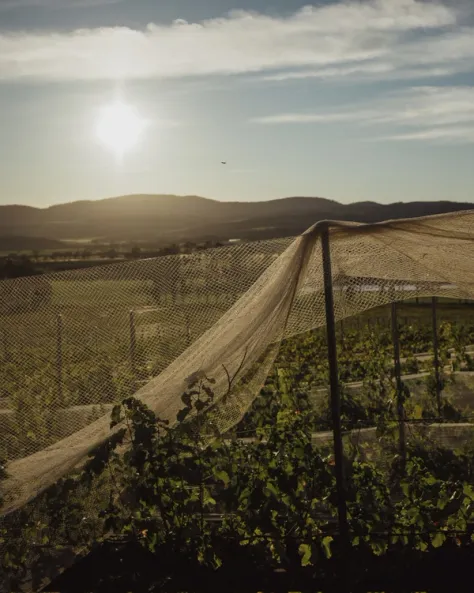
The 2021 vintage achieved the sought-after combination of good yields and exceptional quality, with the harvest volume returning to average. The growing season was defined by generous winter/spring rain, cool temperatures, and steady, slow ripening, resulting in a prolonged harvest. Across the state, standout varieties included Pinot noir, Chardonnay, and aromatic white wines, all noted for intense yet elegant flavours and vibrant structure.

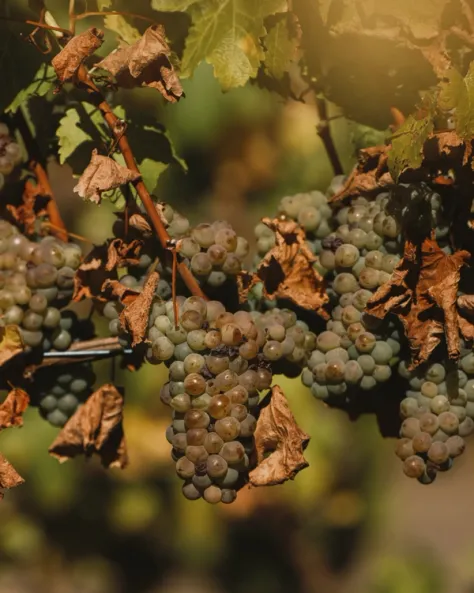
The 2020 Tasmanian vintage delivered outstanding quality but with a significant quantity reduction: approximately 28% down on the previous year. It was one of the most challenging seasons, characterised by a cooler-than-average period that delayed harvest into May.
Cold, constant spring winds reduced bunch sizes and overall yields. Despite localised challenges with rainfall variability, the quality, especially for Pinot noir, Chardonnay, and aromatic white wines, was outstanding.

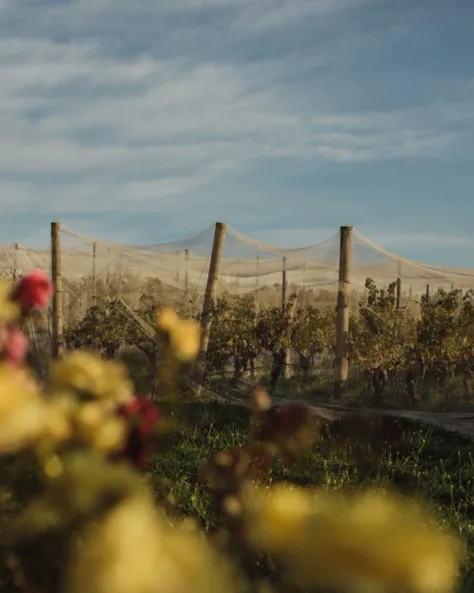
The 2019 Tasmanian vintage was an outstanding year for quality. The season was exceptionally warm and dry, placing it among the driest on record and minimising disease pressure. These conditions produced intensely concentrated fruit, leading to highly celebrated Pinot noir and Chardonnay with concentrated flavours, robust structure, and balanced acidity, while also providing superb ripeness for sparkling base wines.


New records for volume and value, 2018 was the earliest and quickest harvest recorded, starting in mid-February and proceeding at a frenetic pace due to warm weather and large yields. The season was warmer than average without being hot, and low rainfall resulted in a clean harvest with minimal disease pressure, leading to excellent quality, ripeness, and flavour across all wine styles.
A season of excellent fruit quality and high demand, widely regarded as potentially "one of the greats". The season began wet and cool but finished dry and warm, allowing for full vineyard potential. A very long and mostly quite cool season that resulted in fantastic depth of flavour and aromas across varietals, balanced by brilliant acidity, suggesting wines with great versatility and ageing potential.

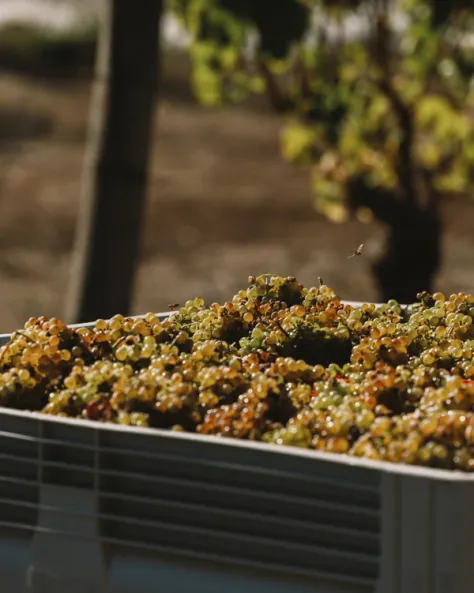
2016 was a record-breaker for both yield and demand. Tasmania as a whole exceeded 15,000 tonnes with high quality fruit. Warm, dry conditions throughout spring and summer were ideal for fruit set, clean fruit with high natural acidity and excellent varietal characteristics.


2015 was marked with high quality with a moderate yield, finishing 3% above the long-term average. Spring and summer rainfall led to good vegetative growth, but cool weather in the south during flowering reduced potential crops for some areas. The resulting clean fruit was of high quality, exhibiting excellent varietal characteristics, particularly for dominant varieties Pinot noir and Chardonnay.

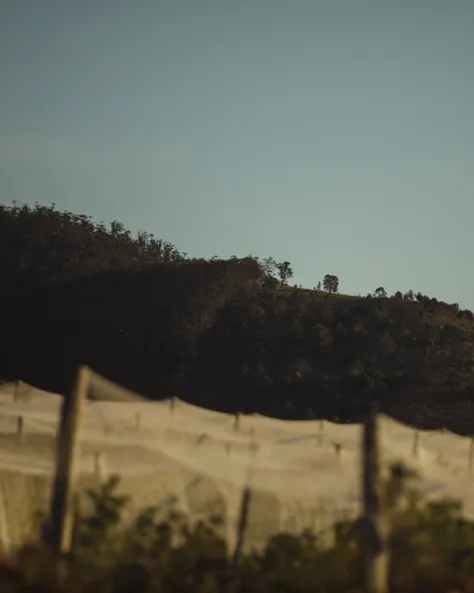
The season started with promise, but severe cool, wet, and windy weather in December and through flowering caused significant disruption to the fruit set, especially for Pinot noir and Chardonnay, leading to a 50–60% decline in yields. Favourable weather later in the season allowed remaining fruit to develop full flavour while retaining good natural acidity, resulting in above-average quality despite these low yields.

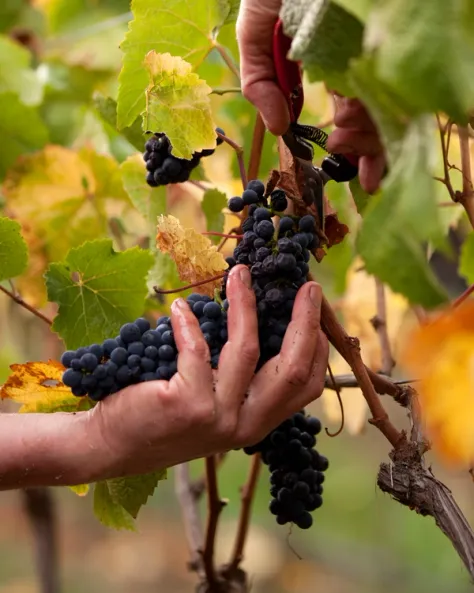
Bumper yields and high quality, setting record harvests. Excellent soil moisture from winter rains, followed by a long, warm, dry summer, supported strong canopies and larger than expected crops. The warm, dry weather ensured full flavour development and clean fruit, retaining good natural acidity, though the large crop load slowed ripening slightly.


The 2012 vintage was marked by very high quality despite a 6% reduction in yield. Generally cool weather interspersed with warm periods, and slightly below-average rainfall. Early frost contributed to smaller bunch sizes and a reduced harvest, but overall low disease pressure allowed vineyards to produce clean fruit with high natural acidity, and excellent varietal characteristics.